
FPV Combat

FPV Combat and Immersive Flying

FPV combat highlights a style of flying where awareness, coordination, and intent matter. When pilots fly with objectives or alongside other aircraft, the way information is presented becomes more noticeable. This applies to every type of flight, whether that is structured combat, formation flying, or casual cruising.

In any flight scenario, situational information is a tool. Pilots rely on it to understand what the aircraft is doing and to make decisions. Cockpit displays and traditional OSDs both serve that purpose. The difference is not usefulness, but how the information is experienced.

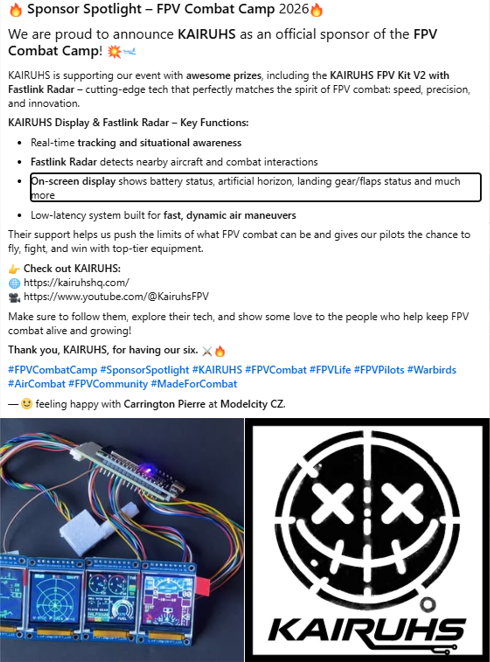
Before going any further, it’s worth checking out FPV Combat Camp and what they’re building. Their laser-tag combat system pushes FPV beyond solo flying and into coordinated, tactical air-to-air gameplay. You can find full details on how it works, the rules, and supported hardware here:
👉 https://www.fpv-combat.com/

Cockpit Displays as a Tool

Cockpit style displays are tools in the same way an OSD is a tool. They are not limited to combat or mission flying. Even during casual cruising, having clear, stable telemetry helps pilots maintain awareness of the aircraft. The cockpit format simply presents that information in a way that emphasizes immersion, making it feel like flying from inside the aircraft rather than watching data overlaid on a camera feed.

This does not make cockpit displays more correct or more advanced than an OSD. It makes them different in how they frame the experience.

Learning Curve and Familiarity

Every telemetry system has a learning curve. Pilots spend time tuning their OSD layouts, adjusting fonts, positions, and colors until it feels natural. Once they are used to it, the information becomes second nature. Cockpit displays are no different. They require adjustment, familiarity, and time in the air before they feel intuitive.

Neither approach is special in that sense. Both reward consistency and practice. An OSD is not inherently distracting, and a cockpit display is not inherently superior. They are simply different ways of presenting the same information.

Immersion Versus Presentation

Traditional OSDs focus on efficiency and flexibility. Cockpit displays focus on immersion and realism. Both are extremely useful. One prioritizes function through overlays. The other prioritizes the feeling of being inside a vehicle with instruments that behave like a real cockpit.

For pilots who value scale realism, that immersive presentation enhances the experience. It does not replace the usefulness of an OSD. It reframes it.

Why FPV Combat Draws Attention

FPV combat brings these differences into focus because it encourages awareness of teammates, aircraft state, and relative position. That kind of flying naturally benefits from information being readable and cohesive. It also makes immersive presentation feel more meaningful, especially when flying as part of a group.

Moving Toward Immersion

As FPV continues to grow, pilots explore different ways of experiencing flight. Some prioritize minimalism and efficiency. Others prioritize realism and immersion. Both approaches are valid, and both rely on good telemetry.

Cockpit displays exist for pilots who want their information to feel like part of the aircraft rather than an overlay on top of it. They are tools first. Immersion is simply the way that tool is expressed.